Cosmetic dentistry can address many of the concerns that affect how your smile looks, from discoloration and small chips to worn teeth, gaps, and more extensive changes to the shape or alignment of your smile. Some treatments are relatively simple, while others involve several phases of care.
At Traverse Dental Associates, we approach cosmetic dentistry with the same attention to oral health, function, and long-term stability that we bring to every other area of dentistry. The goal is not simply to create a whiter or straighter smile. We want your treatment to work with your bite, gums, facial features, and overall oral health.
Our team has been serving families in Traverse City for generations. Whether you're considering teeth whitening, veneers, clear aligner therapy, or a more comprehensive smile makeover, we can help you understand your options and determine where to begin.
Cosmetic dentistry focuses on improving the appearance of the teeth and smile. Depending on your goals, treatment may address tooth color, shape, size, position, spacing, or the appearance of the gums.
Common cosmetic treatments include:
Cosmetic and restorative dentistry often overlap. A chipped tooth may need to be repaired for both structural and cosmetic reasons. A crown may restore a damaged tooth while also improving its appearance. Similarly, replacing a missing tooth can improve the appearance of your smile while restoring chewing function.
That is why we do not view cosmetic treatment as something separate from your overall dental health. Before recommending an esthetic procedure, we consider the condition of your teeth, gums, bite, and existing dental work.
Your smile naturally changes as you age. Some changes are related to normal wear, while others are associated with habits, oral health, or previous dental treatment.
Teeth can become darker or more yellow over time as enamel changes and the underlying dentin becomes more visible. Foods and beverages such as coffee, tea, and red wine can also contribute to staining, as can tobacco use.
Whitening can often improve discoloration caused by surface stains and some age-related changes. However, not every type of discoloration responds in the same way. Deep discoloration related to trauma, certain medications, fluorosis, or changes within the tooth may require a different approach.
Clenching and grinding can gradually wear down the biting surfaces of teeth. Acid exposure can also contribute to enamel erosion. Over time, teeth may appear shorter, flatter, or more uneven.
When significant wear is present, simply changing the appearance of the teeth without addressing the underlying cause may not provide a durable solution. If grinding, jaw discomfort, or other concerns are present, TMD treatment may be part of the overall plan.
Small chips can occur from everyday use, injuries, or biting forces. Even a relatively small change to a front tooth can affect the symmetry of a smile.
Depending on the amount of tooth structure involved, bonding, a veneer, or another restoration may be appropriate.
Teeth can shift throughout adulthood. Changes in tooth position may create crowding, spacing, or changes in the way the upper and lower teeth come together.
Clear aligner therapy can address many alignment concerns while preserving the natural tooth structure that would otherwise need to be altered with some cosmetic restorations.
Gum recession can expose more of the tooth root, changing the proportions of your smile and sometimes contributing to sensitivity. Gum disease, brushing technique, genetics, and other factors can contribute to recession.
Because gum health affects the appearance and stability of cosmetic dentistry, we evaluate the gums as part of the planning process.
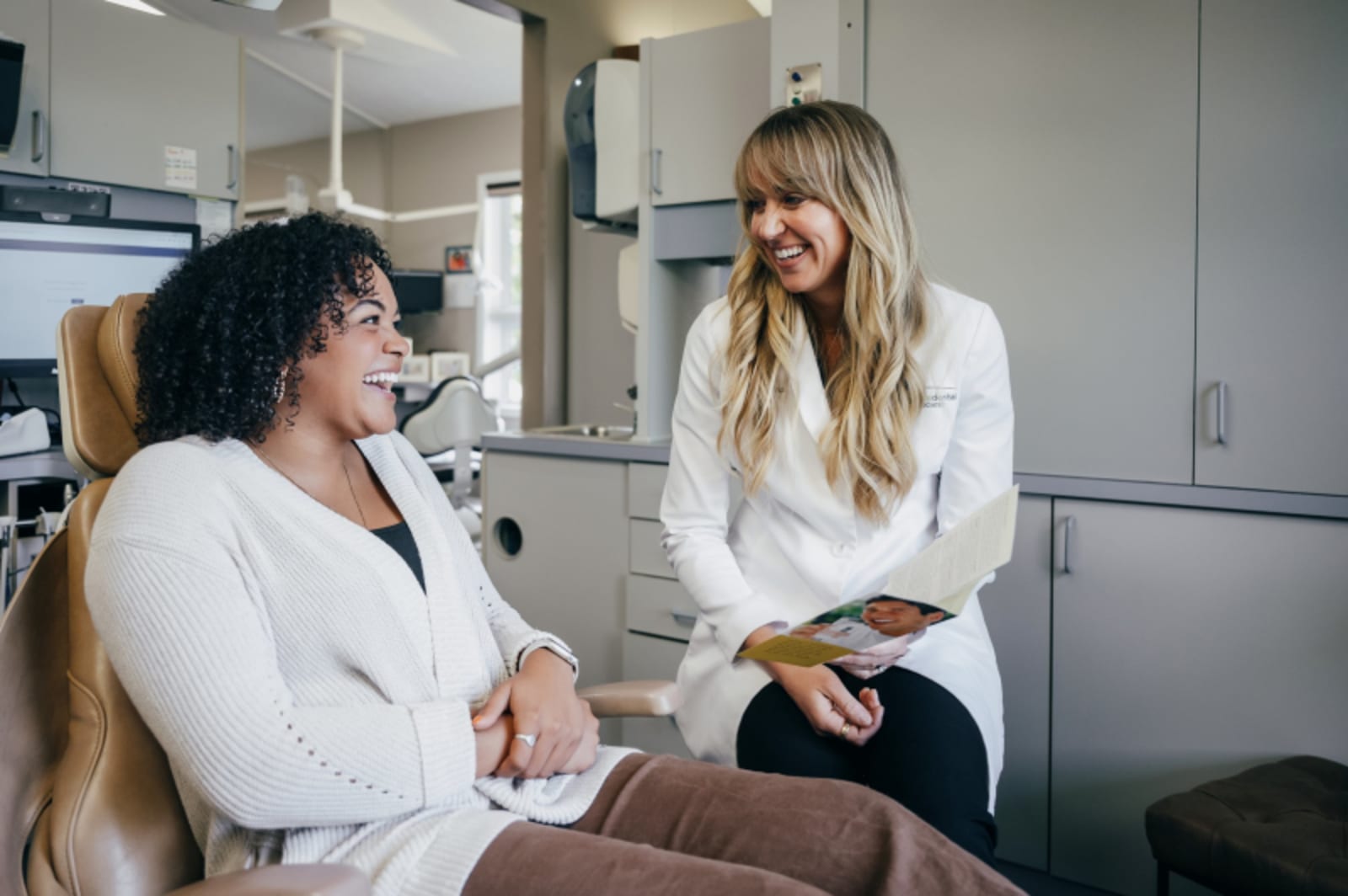
A cosmetic consultation should begin with your goals. We want to understand what you notice about your smile, what you would like to change, and what you would prefer to keep natural.
We may then evaluate several aspects of your oral health and facial appearance, including:
Facially driven treatment planning takes the surrounding features of your face into account rather than designing teeth in isolation. Tooth length, width, shape, and position all influence how natural a smile looks.
Dr. Lumbrezer has completed the full curriculum at the Pankey Institute, including advanced education related to occlusion, functional esthetics, and comprehensive diagnosis. This type of training supports an approach that considers both how a smile looks and how it functions.
Many people can benefit from cosmetic dental treatment, but the appropriate treatment and timing depend on your oral health and goals.
Before beginning elective cosmetic treatment, we may need to address concerns such as:
Active gum disease can affect the health and position of the tissues supporting your teeth. Treating gum disease first provides a healthier foundation for cosmetic dentistry. If needed, gum disease treatment can be incorporated into your overall plan.
Cosmetic treatment should not be used to cover untreated decay or failing dental work. Existing problems need to be evaluated and addressed so that new restorations have a healthy foundation.
Your bite influences how forces are distributed across your teeth and restorations. Significant grinding, clenching, uneven contact, or jaw symptoms may need to be considered before placing veneers, crowns, or other restorations.
Sometimes the most conservative way to improve a smile is to move the natural teeth rather than cover them with restorations. Clear aligner therapy may be appropriate when crowding, spacing, or tooth position is the primary concern.
There may also be situations where cosmetic treatment should be delayed or approached differently. During your consultation, we can explain what we see and discuss the options that make sense for your particular circumstances.
Whitening is one of the most conservative ways to brighten your smile. It can improve many types of discoloration without changing the structure of your teeth, although results depend on the cause of the staining. Crowns, veneers, and bonding will not whiten like natural teeth, so existing dental work should be considered when planning treatment.
In-office whitening uses professional-strength whitening materials under dental supervision and can provide a noticeable change in a single visit.
Take-home whitening uses custom trays and professional whitening gel, allowing you to brighten your smile gradually at home. Your trays can also be used for future touch-ups as recommended.
Whitening strips, toothpaste, and other store-bought products may help with some surface stains, but results vary. If you have deeper discoloration or existing restorations, we can help determine whether whitening is likely to achieve the result you want.
Temporary sensitivity is common with whitening. If it occurs, we can recommend ways to make treatment more comfortable.
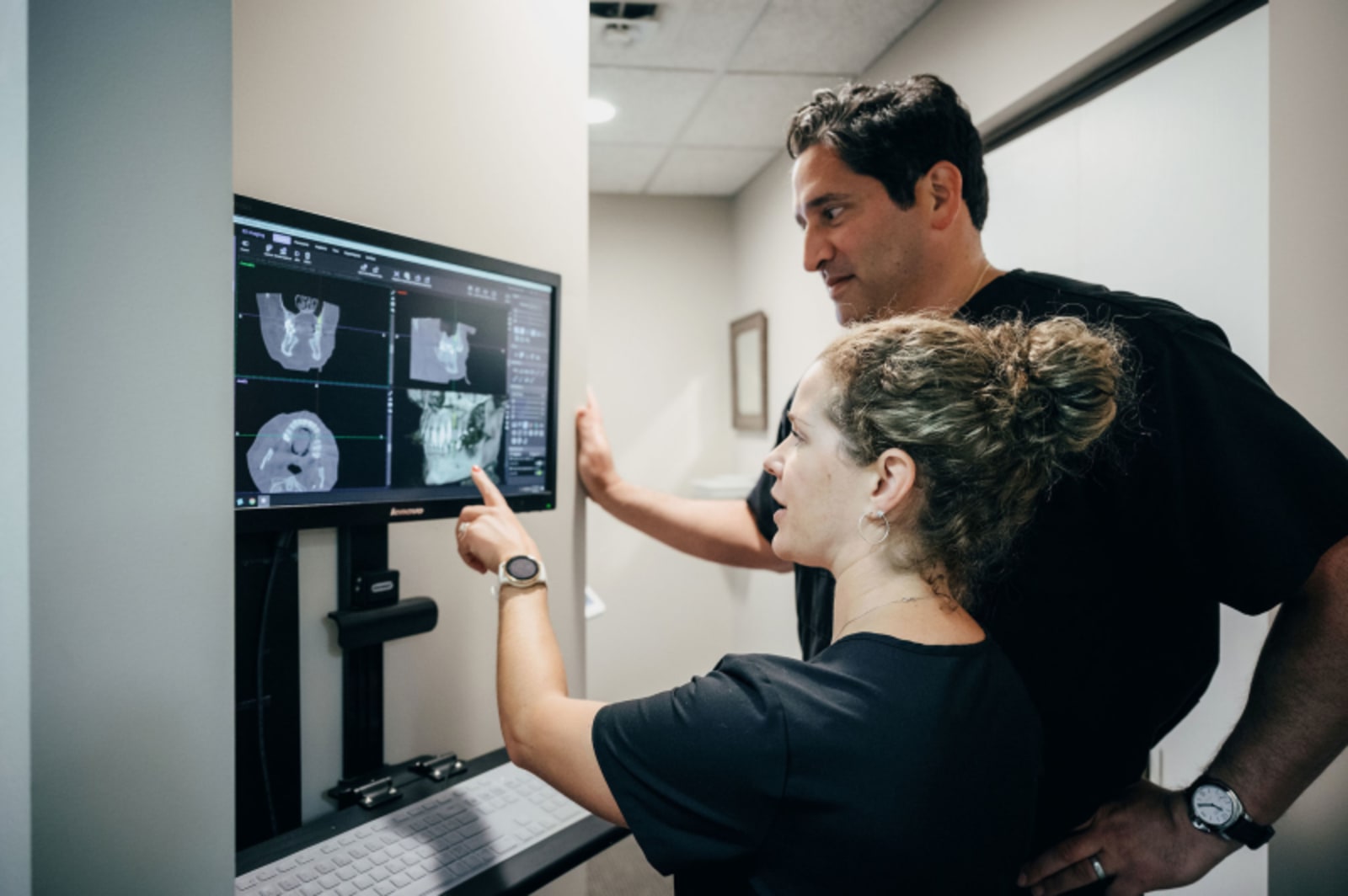
The right cosmetic treatment depends on what you want to change, the condition of the tooth, and how much natural tooth structure needs to be altered.
Composite bonding uses tooth-colored resin to repair small chips, close minor gaps, or reshape teeth. It typically requires little or no removal of natural tooth structure. However, composite can stain or chip over time and may require maintenance.
Porcelain veneers are thin restorations bonded to the front of the teeth. They can change the color, shape, size, and proportions of multiple teeth at once. Veneers usually require some tooth preparation and are considered an irreversible treatment.
Crowns cover the entire visible portion of a tooth and are generally used when a tooth has significant damage, a fracture, or a large existing restoration. When a tooth is otherwise healthy, we typically consider more conservative options before recommending a crown for cosmetic reasons.
Not every cosmetic concern requires a restoration. If healthy teeth are primarily out of position, orthodontic treatment may offer a more conservative approach.
Clear aligner therapy uses removable trays to gradually move teeth and can address many cases involving crowding, spacing, and certain bite concerns. Because the trays are removable, you can continue brushing and flossing normally, and they offer a discreet alternative to traditional braces for many adults.
Fixed braces remain effective for many orthodontic concerns, including some more complex movements and bite corrections. When orthodontic treatment is needed beyond the care we provide, we can help determine whether a referral is appropriate.
In some cases, moving teeth first can reduce the need for restorative treatment. Repositioning crowded or rotated teeth, for example, may be preferable to using veneers simply to make them appear straighter.
Your teeth are only part of your smile. The gums and lips also influence its overall appearance and proportions.
Excess gum tissue can make teeth appear shorter than they are. When appropriate, gum contouring can reshape the gumline and create more balanced proportions. If the underlying bone or gum recession is contributing to the appearance, a different periodontal treatment may be needed.
A frenectomy releases a restrictive frenum, the band of tissue connecting the lip to the gum. Depending on its position, a frenum can contribute to spacing between teeth or place tension on the gums. Our frenectomy treatment can be considered as part of a broader treatment plan when appropriate.
Botox and Xeomin may have both esthetic and functional applications, including certain facial esthetic concerns and reducing muscle activity associated with clenching or jaw tension.
If jaw discomfort, muscle tension, or tooth wear is part of your concern, TMD treatment may also be worth considering.
Replacing a missing tooth is not purely cosmetic. A missing tooth can affect chewing, speech, the position of neighboring teeth, and the bone supporting the area.
Dental implants replace the root portion of a missing tooth with an implant that supports a restoration such as a crown. Because the implant is supported by the jawbone, it can provide a stable foundation for replacing a missing tooth.
The appearance of an implant restoration depends on more than the crown itself. The surrounding gum tissue and available bone also contribute to the final result, particularly when replacing a tooth that shows prominently when you smile.
Some people do not have enough bone in the treatment area for implant placement without additional preparation. Bone and sinus grafting can help rebuild or augment the site when appropriate.
A bridge replaces a missing tooth by connecting a restoration to neighboring teeth. Bridges do not require implant surgery, but the supporting teeth generally need to be prepared to support the restoration.
Dentures can replace several missing teeth or an entire arch. Modern dentures can provide a natural-looking appearance while restoring much of your ability to eat and speak comfortably.
For some people, implants can also be used to provide additional support for removable or fixed replacement teeth.
A smile makeover combines two or more cosmetic or restorative treatments into a coordinated plan. Rather than treating each tooth independently, we consider how the treatments will work together to create a balanced result.
A plan might involve a combination of:
The sequence matters. For example, it may make sense to straighten teeth before restoring them, improve gum health before placing veneers, or complete whitening before selecting the final shade for restorations.
The goal is to create a plan that accounts for your oral health, function, appearance, and priorities.
Full mouth reconstruction is different from a cosmetic makeover because the focus extends beyond appearance. It may be appropriate when significant wear, multiple missing teeth, damaged restorations, or changes to the bite have affected the function of the mouth.
Treatment may involve several stages:
Comprehensive treatment can take several months or longer depending on the number of procedures involved, healing requirements, and whether tooth movement or grafting is necessary.
Cosmetic treatment can involve anything from a short whitening appointment to longer procedures. If dental anxiety has made it difficult to seek care, let us know. Understanding your concerns allows us to plan the experience accordingly.
Depending on the treatment, comfort measures may include:
Our sedation dentistry options can be discussed during your consultation. The appropriate approach depends on the procedure, your medical history, and your individual needs.
Cosmetic dentistry still requires routine oral care. Restorations may be resistant to certain types of damage, but they do not make the surrounding teeth and gums immune to decay or gum disease.
If you grind or clench your teeth, a custom nightguard may help protect natural teeth and restorations from excessive forces. Addressing underlying jaw or muscle concerns may also be appropriate.
Brush twice daily, clean between your teeth, and maintain regular professional hygiene appointments. The tooth beneath a veneer or crown can still develop decay, particularly around the edges of a restoration.
Whitening may require periodic touch-ups. Bonding may need polishing or repair. Dentures may require adjustment as your mouth changes. Veneers and crowns can also eventually require replacement.
There is no single lifespan that applies to every cosmetic restoration. Longevity depends on the material, the tooth or teeth being treated, your bite, oral hygiene, diet, habits, and regular dental care.
Planning for maintenance from the beginning can help you protect your investment and address small concerns before they become larger ones.
The cost of cosmetic dentistry varies considerably because treatment is based on the procedures involved and the number of teeth being treated.
A whitening treatment is very different from a comprehensive smile makeover involving multiple restorations. Other factors may include whether you need periodontal treatment, orthodontic treatment, replacement of existing restorations, or other preparatory care.
We discuss the recommended treatment and associated costs during your consultation so you can make an informed decision before moving forward.
Dental insurance typically focuses on treatments considered medically necessary rather than elective cosmetic procedures. For example, whitening and veneers placed solely to change the appearance of healthy teeth are generally not covered. A crown used to restore a damaged tooth may be treated differently depending on your dental plan.
Coverage varies, so we can help you understand how your benefits may apply to recommended treatment.
If comprehensive treatment is appropriate, it may also be possible to phase care over time. Addressing health and functional concerns first and cosmetic priorities later can make a larger treatment plan more manageable while keeping the overall goals in view.
Cosmetic dentistry requires more than an understanding of materials and techniques. Because treatment can change the appearance of your smile and, in some cases, permanently alter your teeth, it is reasonable to take time when choosing a provider.
Consider asking about:
Look for a dentist who has pursued education specifically related to cosmetic dentistry, occlusion, restorative dentistry, or comprehensive treatment planning.
A thorough cosmetic plan should begin with an evaluation rather than a recommendation based solely on what you would like to change.
Your dentist should consider your gums, teeth, bite, and existing restorations before recommending elective treatment.
If you are considering significant cosmetic treatment, ask to see examples of the dentist's own work when possible.
A good cosmetic plan does not necessarily involve more dentistry. In some cases, whitening, bonding, or orthodontic treatment may accomplish the goal with less alteration of the natural teeth.
There may be several reasonable ways to address a cosmetic concern. Understanding the benefits, limitations, maintenance requirements, and alternatives allows you to choose the option that fits your priorities.
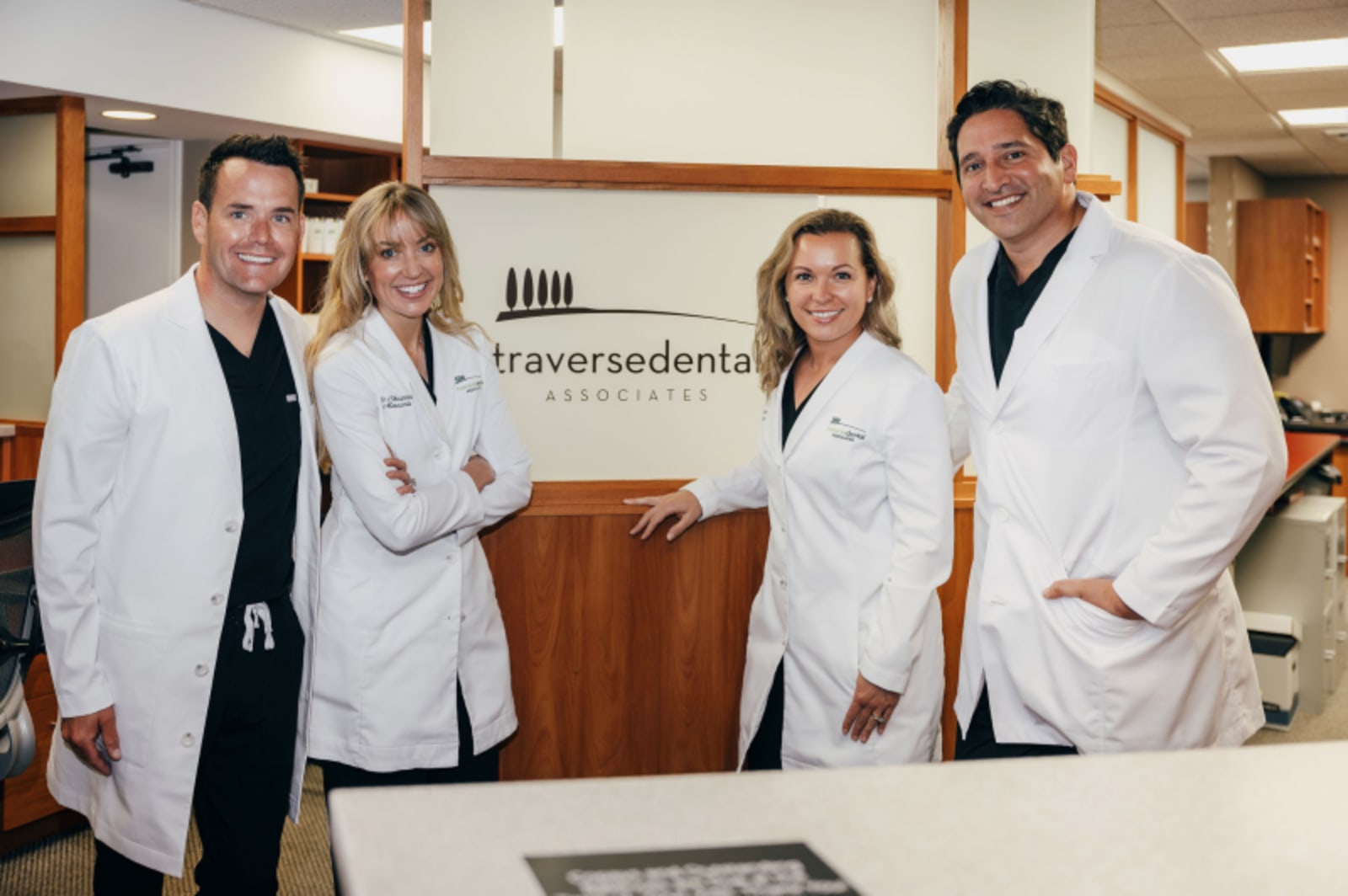
At Traverse Dental Associates, our team brings a wide range of training and experience together under one practice.
Together, our doctors bring complementary areas of expertise to help patients receive coordinated care in one practice, within the context of your overall oral health rather than looking at individual teeth in isolation.
You do not need to know which cosmetic procedure you need before scheduling a consultation. The first step is understanding what you would like to change and evaluating the factors that will influence your options.
Whether your primary concern is discoloration, a chipped tooth, crowding, worn teeth, missing teeth, or the overall appearance of your smile, we can help you understand what may be possible.
For some people, the right starting point is professional teeth whitening. For others, it may be veneers, clear aligner therapy, restorative treatment, or a more comprehensive cosmetic dentistry plan.
At Traverse Dental Associates, we take the time to evaluate your smile, discuss your goals, and explain your options before treatment begins. If you're considering cosmetic dentistry in Traverse City, call us at (231) 947-0210 to schedule a consultation. We'd be happy to help you determine where to start.
We look forward to meeting you. Call 231-947-0210 to set up your first visit. We'll be in touch soon.